
Date of Death and Estate Appraisals in San Antonio
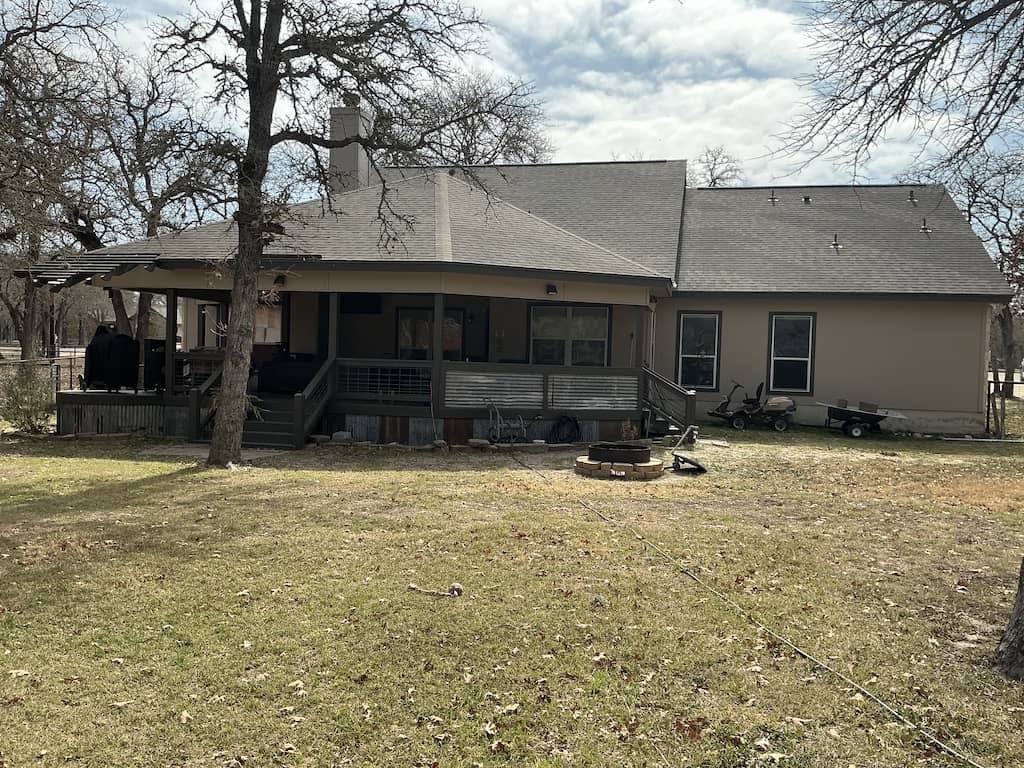
When someone dies owning real estate, somebody has to put a number on it — for the probate court, for the IRS, and for the heirs who will one day sell it. That number has to be the fair market value as of the date of death, not today’s value.
We prepare those retrospective appraisals across San Antonio and five surrounding counties, and work with executors, attorneys and CPAs often enough to know what each of them needs the report to say.
Call (830) 857-0986
Why the Date of Death Is the Only Date That Counts
When property passes to an heir, its cost basis resets to the fair market value on the date the owner died. That reset — the stepped-up basis — is often worth more to a family than anything else in the estate.
What the Reset Is Worth
A house bought for $80,000 in 1990 and worth $340,000 at death carries a $340,000 basis, so an heir who sells soon after owes capital gains on almost nothing.
What Will Not Hold Up
A tax assessment is not a fair market value. Neither is an online estimate. Both are easy to challenge and neither explains its reasoning.
What Does
A signed appraisal that states the effective date, explains which sales were used, and shows why they were comparable on that date.
Where These Reports Get Used
Probate. Texas probate requires an inventory, appraisement and list of claims. The real estate is usually the largest line on it.
Estate tax. A federal return needs supportable values for every asset. An appraisal is the support.
Stepped-up basis. Years can pass before an heir sells. Having an appraisal in the file beats reconstructing a past value after the fact.
Dividing property among heirs. When one sibling wants the house and the others want their share, a neutral number keeps that conversation civil.
If the Date Has Already Passed
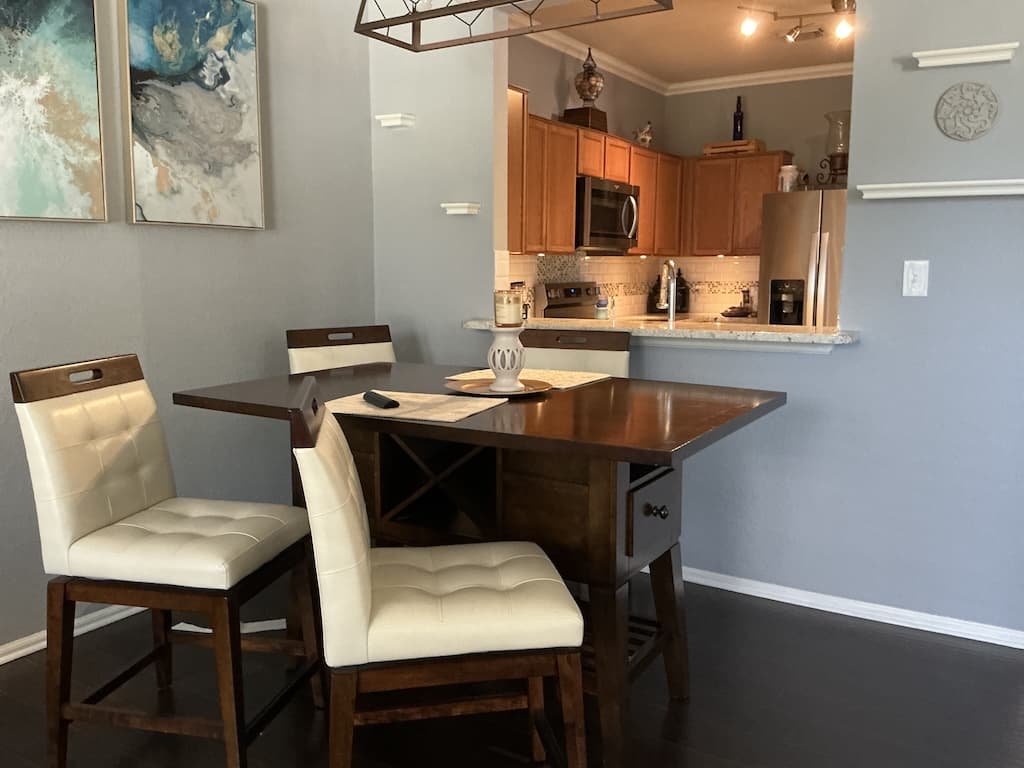
It usually has, and that is fine. A retrospective appraisal is normal work. We pull the sales that closed around your effective date, inspect the property as it stands, and account in writing for anything that changed since. Estates we help with are often a year or more past the date of death; some are several.
The Alternate Valuation Date
An estate may be able to elect a valuation date six months after death instead. Whether that election makes sense is a question for the estate’s attorney or CPA, not for us. If they choose it, tell us, and we will appraise as of that date instead.
What We Need From the Executor
- The date of death, and the alternate date if the estate elected one
- Whether the report is for probate, a tax return, basis records, or dividing property
- Access to the property, and a name for whoever holds the keys
- Anything that changed after the date of death — a new roof, a cleanout, storm damage, a tenant moving in
Frequently Asked Questions
Can you appraise a house for a date two years ago?
Yes. That is what a retrospective appraisal is.
Will the IRS accept it?
The report states the effective date, the data used, and the reasoning. That is what makes a value supportable. Your CPA or attorney makes the filing decisions — we are appraisers, not tax advisers.
The house has been emptied and repainted since. Does that ruin it?
No. We inspect what is there and adjust for what changed, in writing.
Do you appraise the contents too?
No. We appraise real property. Furniture, jewellery and vehicles need a personal property appraiser.
What if several heirs disagree about the value?
One appraisal by a neutral third party is usually what ends that, which is a large part of why executors order them.
Schedule an Estate or Date-of-Death Appraisal
We cover San Antonio and all of Bexar, Comal, Guadalupe, Wilson and Gonzales counties. Call (830) 857-0986 or send us the details.
Related: divorce appraisals · pre-listing appraisals · areas we serve